Reviews

7 Steps To Starting A Successful Blog In 2024

7 Steps to Starting a Successful Blog in 2023

Learn the 7 steps to starting a successful blog in 2023. From choosing your niche and domain name, to creating engaging content and promoting your blog, this guide has you covered. Discover tips on monetization and staying up-to-date with blogging strategies. Start your exciting blogging journey now!

If you’ve ever considered starting your own blog, now is the perfect time to make it happen! In this article, we’ll take you through 7 easy steps to help you start a successful blog in 2023. From choosing the perfect niche and domain name to creating engaging content and promoting your blog, we’ve got you covered. We’ll also share tips on how to monetize your blog through affiliate marketing, advertising, and selling products. Remember to stay up-to-date with the latest blogging strategies to ensure your blog’s success. So, grab a cup of coffee and get ready to embark on this exciting journey!

7 Steps to Starting a Successful Blog in 2023

Choose a niche and domain name

Starting a successful blog begins with choosing a niche and a domain name that align with your interests or experiences. Your niche should be a topic that you are passionate about, as this will make it easier to consistently create engaging content. Consider your personal interests, hobbies, or life experiences and choose a niche that allows you to share your expertise and connect with your target audience.

When choosing a domain name, it’s important to consider your target audience and the competition in your niche. Your domain name should be easy to remember, relevant to your blog’s topic, and unique. Avoid using numbers or hyphens in your domain name, as this can make it harder for people to remember and type correctly.

Here are some tips for choosing a domain name:

  1. Keep it short and simple: Choose a domain name that is concise and easy to spell.
  2. Make it memorable: Pick a name that stands out and leaves a lasting impression on your audience.
  3. Use keywords: Incorporate relevant keywords in your domain name to make it more discoverable by search engines.
  4. Consider your branding: Your domain name should align with your blog’s branding and overall message.
  5. Use a domain registrar like Namecheap: It’s recommended to use a reputable domain registrar like Namecheap instead of relying on free domain offers from hosting providers. This will give you full control and ownership over your domain.

Set up a WordPress blog

Once you’ve chosen your niche and domain name, it’s time to set up your WordPress blog. WordPress is a popular and user-friendly platform that allows you to create and manage your blog with ease. To get started, you’ll need a hosting provider like Bluehost, which offers reliable hosting services specifically optimized for WordPress.

When choosing a hosting provider, consider factors such as affordability, reliability, customer support, and performance. Bluehost is a recommended option for WordPress blogs due to its excellent reputation and specialized WordPress hosting plans.

To set up your blog with Bluehost, follow these steps:

  1. Choose a hosting plan: Bluehost offers different hosting plans, and it’s important to choose one that suits your needs. Shared hosting is a good option for beginners, while managed WordPress hosting provides additional features and optimization for WordPress sites.
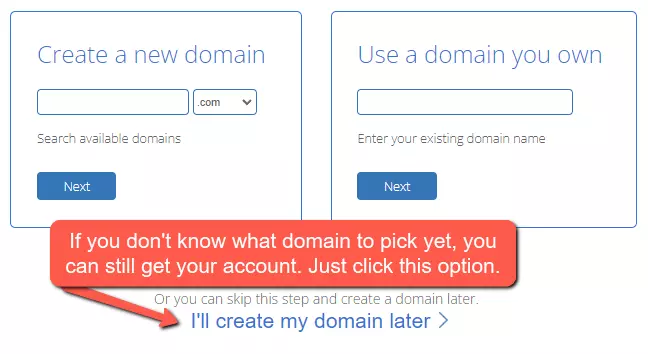
  2. Register your domain: During the signup process, you can either register a new domain or use an existing one. Bluehost offers a free domain for the first year with any hosting plan.
  3. Install WordPress: Bluehost provides a simple installation process for WordPress. After signing up, you’ll be guided through the installation steps, which include choosing a domain for your blog and setting up WordPress.

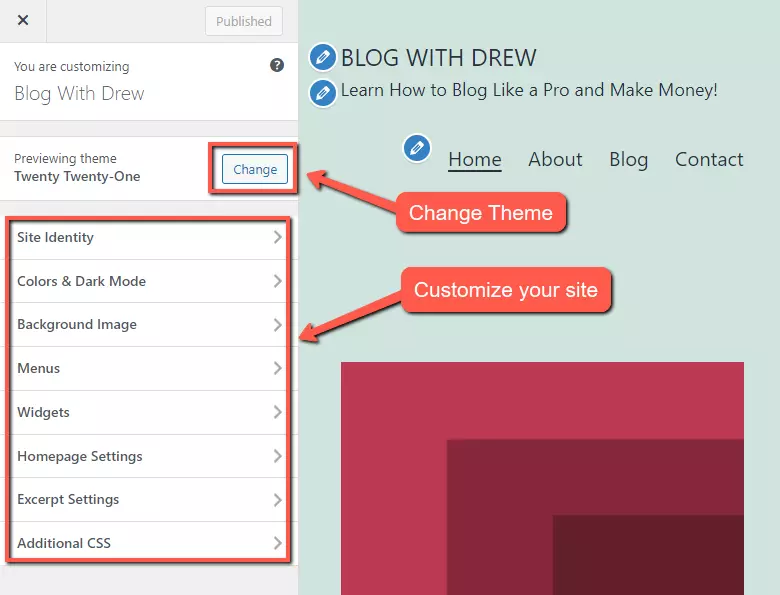
Once WordPress is installed, you’ll have access to a user-friendly dashboard where you can customize your blog’s appearance, create and publish content, and install plugins to enhance its functionality.

7 Steps to Starting a Successful Blog in 2023

Install essential plugins

Plugins are extensions that add new features and functionality to your WordPress blog. They play a crucial role in securing your website, optimizing it for search engines, improving its performance, and enhancing the overall user experience.

Here are some essential plugins to consider installing:

  1. Security plugins: Protect your blog from malware, hackers, and other security threats by installing plugins like Wordfence or Sucuri. These plugins monitor and scan your website for vulnerabilities, and can help prevent potential security breaches.
  2. SEO plugins: Improve your blog’s visibility and ranking in search engines by installing plugins like Yoast SEO or Rank Math. These plugins provide on-page optimization tools, such as keyword analysis, meta tag optimization, and XML sitemap creation.
  3. Performance plugins: Optimize your website’s speed and performance by installing plugins like WP Super Cache or W3 Total Cache. These plugins help minimize page load times and improve overall user experience.
  4. Social media sharing plugins: Make it easy for your readers to share your content on social media platforms by installing plugins like ShareThis or AddToAny. These plugins add social sharing buttons to your blog posts, increasing the reach and engagement of your content.

It’s important to choose plugins that are regularly updated, have good ratings and reviews, and are compatible with the latest version of WordPress. Be mindful not to install too many plugins, as this can slow down your website’s performance.

Create engaging content

Engaging content is the heart of a successful blog. To create content that resonates with your audience and keeps them coming back for more, follow these tips:

  1. Research and plan blog post topics: Identify the topics and keywords that are relevant to your niche and of interest to your target audience. Conduct keyword research to discover popular search terms and use them as inspiration for your blog post ideas.
  2. Write high-quality and original content: Aim to provide valuable and unique content that stands out from the competition. Share your expertise, experiences, and insights to establish yourself as an authority in your niche.
  3. Use catchy headlines and formatting techniques: Grab your readers’ attention with compelling headlines that accurately represent the content of your blog posts. Use formatting techniques such as bullet points, subheadings, and bold or italicized text to make your content easier to read and digest.
  4. Include multimedia elements in your posts: Enhance your blog posts with visuals such as images, infographics, or videos. Visual content not only makes your blog more visually appealing but also helps convey information in a more engaging way.

Remember to proofread your content for grammar and spelling errors before publishing. Consistency is key, so aim to publish new blog posts regularly to keep your audience engaged.

7 Steps to Starting a Successful Blog in 2023

Promote your blog

Promoting your blog is essential to increase its visibility, attract more readers, and build a loyal audience. Here are some effective ways to promote your blog:

  1. Leverage social media platforms: Create dedicated social media accounts for your blog on platforms like Instagram, Facebook, Twitter, or LinkedIn. Share your blog posts, engage with your followers, and participate in relevant discussions and communities.
  2. Participate in blogging communities and forums: Join online communities and forums related to your niche, and actively engage with other bloggers and individuals interested in your topic. Share your expertise, provide valuable insights, and include a link to your blog in your profile or signature.
  3. Guest post on other relevant blogs: Reach out to other bloggers in your niche and offer to write guest posts for their blogs. This can help you tap into their existing audience, gain exposure, and build backlinks to your own blog.
  4. Engage with your audience through comments: Encourage your readers to leave comments on your blog posts and respond to them in a timely manner. Building a sense of community and fostering meaningful conversations can help retain readers and attract new ones.

Remember to regularly promote and share your blog content to ensure it reaches a wider audience and achieves maximum impact.

Monetize your blog

Once your blog has gained traction and a steady stream of traffic, you can explore various monetization strategies to generate income. Here are some common ways to monetize your blog:

  1. Affiliate marketing: Join affiliate programs and promote products or services related to your blog’s niche. Earn a commission for each sale or referral made through your affiliate links.
  2. Advertising: Display advertisements on your blog through ad networks like Google AdSense or affiliate advertising networks. Earn revenue based on clicks or impressions generated by the ads.
  3. Selling products or services: Create and sell your own products or services, such as eBooks, online courses, consulting services, or merchandise related to your niche.
  4. Create a newsletter to attract subscribers: Build an email list by offering a newsletter or free downloadable resources to your readers. Utilize your email list to promote your products or affiliate offers.

It’s important to strike a balance between monetization and maintaining the trust and loyalty of your audience. Be transparent about any sponsored content or affiliate partnerships, and focus on providing value to your readers.

7 Steps to Starting a Successful Blog in 2023

Stay up-to-date with blogging strategies

The blogging landscape is constantly evolving, and it’s crucial to stay up-to-date with the latest trends and strategies. Here’s how to keep yourself informed and ahead of the curve:

  1. Follow industry influencers and experts: Identify and follow influential bloggers, marketers, and industry leaders in your niche. Subscribe to their blogs, newsletters, and social media channels to stay informed about the latest news and insights.
  2. Read relevant blogs and publications: Regularly read other blogs and publications related to your niche to gain inspiration, expand your knowledge, and stay updated on industry trends.
  3. Attend blogging conferences and webinars: Look for industry conferences and webinars that focus on blogging and digital marketing. These events provide valuable networking opportunities and educational sessions led by experts in the field.
  4. Experiment with new techniques and approaches: Stay open to trying new strategies and techniques to see what works best for your blog. Analyze your results, track your progress, and adjust your approach based on data insights and feedback from your audience.

By staying informed and adapting to the ever-changing blogging landscape, you’ll be able to consistently improve your blog’s performance and meet the evolving needs of your audience.

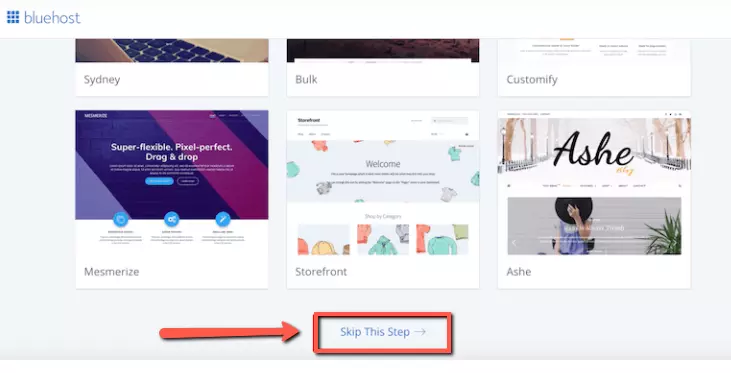
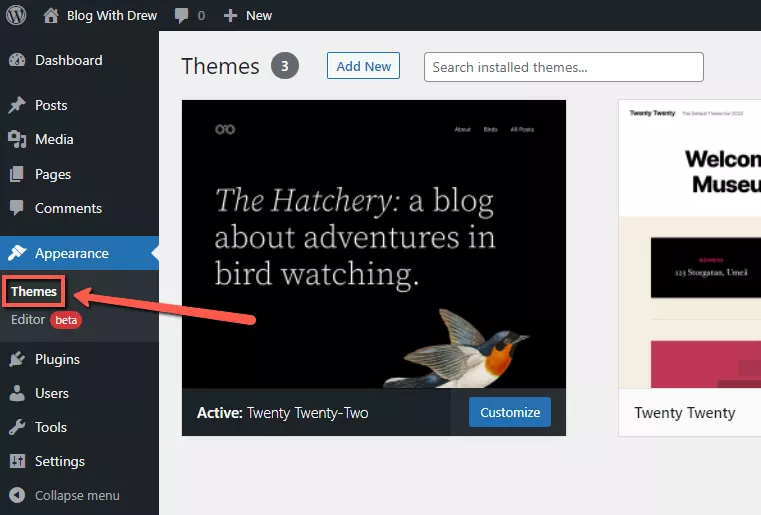
Choose a WordPress theme

While optional during the setup process, choosing the right WordPress theme is important for the overall look and functionality of your blog. Here are some considerations when selecting a WordPress theme:

  1. Explore free themes on the WordPress theme directory: WordPress offers a wide range of free themes that you can browse and install directly from your WordPress dashboard. These themes are designed by professional developers and are regularly updated for compatibility and security.
  2. Consider premium themes for more customization options: If you’re looking for more advanced customization options and additional features, consider investing in a premium theme. Premium themes are typically more flexible and offer better support and documentation.
  3. Ensure theme compatibility and support: Before installing a theme, check its compatibility with your version of WordPress and any plugins you have installed. Additionally, research the theme’s developer or company to ensure they have a good reputation and provide reliable support.

Remember to choose a theme that reflects your blog’s branding and aligns with your content. A visually appealing and user-friendly theme can enhance the overall user experience and make your blog more enjoyable to navigate.

7 Steps to Starting a Successful Blog in 2023

Optimize your blog for SEO

Search engine optimization (SEO) plays a crucial role in increasing your blog’s visibility and attracting organic traffic from search engines. Here are some key steps to optimize your blog for SEO:

  1. Research and target relevant keywords: Identify keywords and search terms that your target audience uses when looking for content in your niche. Incorporate these keywords naturally into your blog posts, headings, and meta tags.
  2. Optimize meta descriptions and title tags: Write compelling meta descriptions and title tags that accurately describe the content of your blog posts. These elements appear in search engine results and can influence click-through rates.
  3. Organize your blog’s structure with categories and tags: Categorize your blog posts into relevant categories and use descriptive tags to help search engines understand the structure and topic of your blog.
  4. Create a sitemap and submit it to search engines: A sitemap is a file that lists all the pages on your blog and helps search engines crawl and index your content more efficiently. Generate a sitemap using a plugin like Yoast SEO and submit it to search engines like Google and Bing.

Regularly monitor your blog’s keyword rankings and search engine visibility to identify areas for improvement. Stay informed about the latest SEO best practices and algorithm updates to ensure your blog remains optimized.

Measure and analyze blog performance

To gauge the success of your blog and make data-driven decisions, it’s important to measure and analyze its performance. Here are some key steps to measure and analyze your blog’s performance:

  1. Set up Google Analytics for tracking: Install Google Analytics on your blog to track important metrics such as website traffic, user behavior, and engagement. This powerful tool provides valuable insights into your audience, their preferences, and the performance of your content.
  2. Monitor website traffic and user behavior: Analyze your blog’s traffic sources, page views, bounce rate, and average session duration to understand how users interact with your blog. Identifying trends and patterns can help you optimize your content and user experience.
  3. Analyze popular and engaging content: Identify which blog posts are most popular and generate the most engagement. Assess the reasons behind their success and use those insights to create similar content in the future.
  4. Adjust strategies based on data insights: Use the data and insights gathered from Google Analytics to make data-driven decisions. Fine-tune your content strategy, marketing efforts, and monetization methods based on the performance and preferences of your audience.

Regularly review and analyze your blog’s performance to identify areas of improvement and capitalize on successful strategies. By constantly refining your approach, you can ensure your blog continues to grow and thrive.

Read More
Uncategorized

Google Ads Quickstrart – A Beginner’s Guide to Google AdWords

Beginner’s Guide to Google AdWords

A comprehensive guide to Google AdWords, from understanding the platform to optimizing campaigns. Reach your target audience with confidence.

If you’ve ever wondered how to effectively advertise your business online, look no further than Google AdWords. In this Beginner’s Guide to Google AdWords, you’ll discover the ins and outs of this powerful advertising platform. Whether you’re a small business owner or a budding marketing professional, this guide will help you understand how to navigate AdWords and maximize its potential for reaching your target audience. From keyword research to campaign optimization, get ready to take your online advertising to the next level with Google AdWords.

Understanding Google AdWords

What is Google AdWords?

Google AdWords is an online advertising platform developed by Google that allows businesses to create and run targeted advertisements on Google’s search engine and its advertising network. It offers a pay-per-click (PPC) advertising model, where advertisers bid on keywords and pay for each click on their ads.

Benefits of using Google AdWords

Using Google AdWords has a multitude of benefits for businesses. Firstly, it allows you to reach a vast audience since Google is the most popular search engine globally. It enables you to target specific keywords and demographics to ensure that your ads are shown to the right people at the right time. Additionally, you have control over your budget and can set daily caps to ensure you don’t overspend on advertising. AdWords also provides detailed analytics and reporting, allowing you to track the performance of your ads and make data-driven decisions.

Different types of Google AdWords campaigns

Google AdWords offers various campaign types to suit different advertising goals. The most common campaign types include Search Network campaigns, Display Network campaigns, Video campaigns, and Shopping campaigns. Search Network campaigns display text ads alongside search results, while Display Network campaigns show visually appealing ads across a network of partner websites. Video campaigns allow you to run video ads on platforms such as YouTube, and Shopping campaigns help promote products for e-commerce businesses.

Setting up a Google AdWords account

To set up a Google AdWords account, you need to visit the Google AdWords website and create an account. Once you’ve signed in, you can start creating your first campaign. It involves selecting your campaign type, setting your budget, defining your targeting options, creating compelling ad copy, and choosing relevant keywords. Google AdWords provides step-by-step instructions and guides to help you through the process.

Keyword Research and Selection

Importance of keyword research

Keyword research is a crucial step in your Google AdWords campaign. It involves identifying the specific words and phrases that your potential customers are using when searching for products or services similar to yours. Conducting thorough keyword research helps you understand the language your target audience uses, enabling you to optimize your ads and increase the chances of reaching the right people.

Tools for keyword research

For effective keyword research, you can utilize various tools provided by Google AdWords and other third-party platforms. Google’s Keyword Planner allows you to explore keywords, assess their search volumes, and discover new keyword ideas. Additionally, tools like Moz Keyword Explorer, SEMrush, and Ahrefs offer advanced keyword research capabilities and provide valuable insights into the competitiveness and performance of keywords.

How to select the most effective keywords

When selecting keywords for your Google AdWords campaign, it’s essential to consider relevance, search volume, and competition. Ensure that the keywords you choose accurately reflect the products or services you offer. It’s also important to assess the search volume of keywords to determine their popularity. Lastly, evaluate the competition level for each keyword to gauge the likelihood of your ads being displayed.

Understanding keyword match types

Keyword match types play a significant role in determining when your ads will be triggered. Google AdWords offers four match types: broad match, broad match modifier, phrase match, and exact match. Broad match allows your ads to be triggered by a wide range of related searches, while exact match displays your ads only when the exact keyword or close variations are searched. Understanding these match types helps you refine your targeting and control the visibility of your ads.

Structuring Your AdWords Campaign

Campaign structure overview

Structuring your AdWords campaign in a logical and organized manner is crucial for its success. A well-structured campaign allows you to easily manage and optimize your ads. Typically, a campaign consists of multiple ad groups, each focused on a specific theme or product category. Organizing your campaign effectively ensures that your ads remain relevant and targeted, resulting in higher click-through rates and better conversion rates.

Creating ad groups

Ad groups are subdivisions within a campaign that contain a set of ads and relevant keywords. By creating ad groups, you can tailor your ads and landing page experiences to specific keywords or themes. This ensures that your ads are highly relevant to what the user is searching for, helping improve the overall performance of your campaign.

Writing compelling ad copy

Writing compelling ad copy is essential to grab the attention of potential customers and entice them to click on your ads. Your ad copy should be concise, engaging, and provide a clear call-to-action. It’s important to highlight the unique selling points of your products or services and communicate the value proposition effectively. Regularly test different variations of ad copy to determine the most effective messaging for your target audience.

Setting up ad extensions

Ad extensions are additional pieces of information that can be displayed alongside your ads, providing extra value to potential customers. Some common ad extensions include call extensions, sitelink extensions, and location extensions. Ad extensions increase visibility, allow for more relevant ad content, and provide additional opportunities for users to interact with your ads. Make use of ad extensions to enhance the performance of your ads and improve click-through rates.

Setting Your AdWords Budget

Determining your advertising budget

Setting a budget is a crucial aspect of managing your Google AdWords campaign. Your budget should align with your overall marketing goals and the expected return on investment (ROI) from your ads. Consider factors such as your business’s financial resources, average cost per click, and estimated conversion rates when determining your advertising budget.

Understanding bidding strategies

In Google AdWords, you have control over how much you’re willing to bid for each click on your ads. There are various bidding strategies available, including manual bidding, automated bidding, and enhanced cost-per-click (ECPC). Manual bidding allows you to set your bids manually, while automated bidding uses machine learning to adjust your bids based on your goals. ECPC adjusts your bids to maximize conversions or conversion value. Understanding different bidding strategies helps you optimize your campaign and achieve your desired results within your budget constraints.

Ad scheduling and budget allocation

Ad scheduling allows you to specify the days of the week and the times of day when your ads should be shown. By analyzing your campaign data, you can identify peak times when your target audience is most active and allocate a higher budget accordingly. This ensures that your ads are displayed during optimal periods and avoids unnecessary spending during less productive times.

Monitoring and adjusting your budget

It’s important to regularly monitor the performance of your AdWords campaign and make adjustments to your budget as needed. Analyze key metrics such as click-through rates, conversion rates, and cost per conversion to determine your campaign’s effectiveness. If certain keywords or ad groups are performing exceptionally well, consider allocating more budget towards them. Conversely, if certain areas of your campaign are underperforming, you may need to decrease or reallocate your budget accordingly.

Optimizing Your AdWords Campaign

Analyzing campaign performance

Regularly analyzing the performance of your AdWords campaign is crucial for optimizing its effectiveness. Monitor key metrics such as click-through rates, conversion rates, and cost per conversion to evaluate the success of your ads. Analyzing campaign data allows you to identify trends, make informed decisions, and implement changes to maximize your ROI.

Split testing ad variations

Split testing, also known as A/B testing, involves creating multiple variations of your ads and comparing their performance to determine the most effective version. Test different aspects of your ads, such as headlines, ad copy, and call-to-action buttons, to identify the elements that resonate best with your target audience. By continuously split testing ad variations, you can refine your messaging and improve the overall performance of your campaign.

Optimizing keywords and bids

Regularly reviewing and optimizing your keywords and bids is essential for ensuring the success of your AdWords campaign. Identify high-performing keywords and increase their bids to drive more traffic and conversions. Additionally, pause or refine low-performing keywords to prevent wasted ad spend. Adjusting your keyword bids allows you to stay competitive and maximize the effectiveness of your ads.

Utilizing ad extensions effectively

Ad extensions are powerful tools that can enhance the performance of your ads. Regularly review and optimize your ad extensions to ensure they are aligned with your campaign goals. Test different variations and monitor performance to identify which ad extensions drive the most engagement. By utilizing ad extensions effectively, you can provide additional information and value to potential customers, improving the chances of them clicking on your ads and converting.

Tracking Conversions and Measuring ROI

Setting up conversion tracking

Conversion tracking allows you to measure the success of your Google AdWords campaigns by tracking specific actions that are valuable to your business, such as purchases, form submissions, or newsletter sign-ups. Set up conversion tracking within your AdWords account to accurately attribute conversions to your ads. This data is crucial for evaluating the ROI of your campaigns and making informed decisions regarding budget allocation and optimization.

Understanding conversion attribution

Conversion attribution refers to the process of determining which ad, keyword, or campaign should be credited for a particular conversion. Google AdWords provides various attribution models to choose from, including last click attribution, first click attribution, and linear attribution. Understanding conversion attribution allows you to accurately assess the contribution of each element in your campaign and adjust your strategy accordingly.

Measuring return on investment (ROI)

Measuring the ROI of your Google AdWords campaigns is crucial for assessing their effectiveness and making informed decisions about budget allocation. Calculate your ROI by subtracting the cost of your campaign from the revenue generated and dividing it by the cost of your campaign. A positive ROI indicates that your campaigns are generating more revenue than they cost, while a negative ROI suggests that adjustments may be needed to improve the profitability of your advertising efforts.

AdWords Reporting and Analytics

Navigating the AdWords interface

Google AdWords provides a comprehensive reporting interface that allows you to access and analyze data related to your campaigns. Familiarize yourself with the AdWords interface to navigate through different reports and obtain insights into the performance of your ads. The interface provides customizable dashboards, graphs, and tables to help you make sense of your campaign data and make data-driven decisions.

Key metrics and reporting tools

Google AdWords offers a wide range of metrics and reporting tools to help you track and analyze the performance of your campaigns. Key metrics to monitor include click-through rate (CTR), conversion rate (CR), cost per click (CPC), and return on ad spend (ROAS). Utilize reporting tools such as Google Analytics and the AdWords reporting dashboard to gain a deeper understanding of how your ads are performing and identify areas for improvement.

Analyzing campaign performance data

Analyzing campaign performance data allows you to identify trends and patterns, enabling you to optimize your AdWords campaigns effectively. Look for insights into which keywords, ad groups, or campaigns are performing the best and allocate more resources towards them. Identify underperforming areas and make adjustments to your targeting, bidding, or ad copy accordingly. Regular analysis of campaign data helps you refine your strategies and maximize the return on your ad spend.

Making data-driven decisions

Data-driven decision-making is a fundamental aspect of effectively managing your Google AdWords campaigns. Base your decisions on insights gained from analyzing campaign data rather than intuition or guesswork. Use the information derived from monitoring key metrics, split testing ad variations, and analyzing conversion data to optimize your ads, budget allocation, and bidding strategies. By making data-driven decisions, you can continuously improve the performance and profitability of your AdWords campaigns.

AdWords Policies and Best Practices

Familiarizing yourself with AdWords policies

Google AdWords has strict policies in place to ensure a positive user experience and maintain the integrity of the advertising ecosystem. Familiarize yourself with these policies to avoid violations that can result in your ads being disapproved or your account being suspended. AdWords policies cover various aspects, including ad content, landing page quality, trademark usage, and prohibited content. It’s essential to adhere to these policies to run successful and compliant ad campaigns.

Ad copy guidelines and best practices

When creating ad copy for your Google AdWords campaigns, it’s important to follow certain guidelines and best practices. Ad copy should be concise, clear, and engaging to capture the attention of users. Include relevant keywords in your ad copy to improve its quality score and enhance ad relevance. Highlight unique selling points, use strong call-to-action language, and test different variations to optimize the performance of your ads.

Landing page quality and relevance

Google AdWords evaluates the quality and relevance of your landing pages to ensure a positive user experience. Landing pages should align with the content and intent of your ads and provide relevant and valuable information to the user. Optimize your landing pages for fast loading times, clear navigation, and mobile responsiveness. Improve the overall quality and relevance of your landing pages to enhance user engagement, increase conversions, and maintain a high-quality score.

Quality Score and its impact on ad performance

Quality Score is a metric used by Google AdWords to assess the relevance and quality of your ads, keywords, and landing pages. It plays a significant role in determining ad position and cost per click. A higher Quality Score leads to lower costs and better ad positions. To improve your Quality Score, focus on creating relevant ad copy, selecting highly targeted keywords, optimizing your landing pages, and improving click-through rates. A higher Quality Score enhances the overall performance and profitability of your AdWords campaigns.

AdWords Account Management and Troubleshooting

Managing multiple campaigns and accounts

Managing multiple AdWords campaigns and accounts can be challenging, but with the right approach, it can be streamlined and efficient. Utilize campaign naming conventions, labeling, and campaign groups to keep your campaigns organized. Take advantage of AdWords’ account management tools, such as automated rules, bulk edits, and shared budgets, to simplify campaign management. Regularly review and optimize your campaigns to ensure they align with your business goals and deliver desired results.

Troubleshooting common issues

While running Google AdWords campaigns, you may encounter common issues that can impact the performance of your ads. Issues such as low impression share, disapproved ads, high cost per click, or low conversion rates can be addressed through troubleshooting techniques. Identify the root causes of these problems by analyzing your campaign data and implement appropriate adjustments, such as refining your targeting, improving ad relevancy, or adjusting bids. Troubleshooting common issues helps optimize your campaigns and minimize wasteful ad spend.

9.3 Staying up-to-date with AdWords updates and enhancements

Google AdWords is continually evolving, with updates and enhancements released regularly. Stay up-to-date with the latest features and changes by subscribing to relevant blogs, newsletters, and forums. Regularly review Google’s official announcements and AdWords Help Center to ensure that you are aware of new features, best practices, and policy changes. Staying informed allows you to adapt your strategies, take advantage of new opportunities, and remain competitive in the ever-changing landscape of online advertising.

Additional Resources and Support

Google AdWords Help Center

The Google AdWords Help Center is a comprehensive resource that provides information, guides, and tutorials on various aspects of the Google AdWords platform. It covers topics such as campaign setup, keyword research, ad optimization, and troubleshooting. Utilize the Help Center to find answers to your questions and access detailed instructions on how to effectively manage your AdWords campaigns.

AdWords Community and Forums

The AdWords Community and Forums are online platforms where advertisers and industry experts come together to ask questions, share knowledge, and provide support. Engage with the AdWords Community to connect with like-minded professionals and gain insights from their experiences. Participate in discussions, seek advice, and contribute to the community to broaden your understanding of Google AdWords and improve your campaign management skills.

Online tutorials and webinars

Several online platforms offer tutorials and webinars on Google AdWords, providing in-depth guidance on various aspects of the platform. Websites like Udemy, Coursera, and Lynda.com offer courses taught by experts that cover topics ranging from beginner to advanced levels. Attend webinars offered by Google and other advertising professionals to stay updated on industry trends, best practices, and the latest features of Google AdWords.

Seeking professional AdWords assistance

For businesses that require additional help with their AdWords campaigns, seeking professional assistance can be beneficial. Consider partnering with a certified Google AdWords agency or consultant who can provide expert guidance and manage your campaigns on your behalf. Professional AdWords assistance can help you save time, optimize your campaigns effectively, and achieve better results.

In conclusion, Google AdWords is a powerful advertising platform that offers businesses the opportunity to reach a wide audience and achieve their marketing goals. By understanding the various aspects of Google AdWords, such as keyword research, campaign structure, budgeting, optimization, and reporting, businesses can create successful ad campaigns and drive meaningful results. Whether you’re new to Google AdWords or looking to enhance your existing campaigns, following best practices, staying informed, and continuously optimizing your efforts will lead to improved ad performance and a higher return on investment.

Read More
Uncategorized

How to Get Started Quick Wtih Email Marketing

Looking to grow your business and connect with your target audience? Discover the power of email marketing with personalized campaigns and higher conversion rates. Explore strategies, best practices, and metrics for success. #EmailMarketing

Imagine being able to reach thousands of potential customers with just a few clicks of a button. Well, with email marketing, you can do exactly that! Whether you’re a small business owner or a marketing professional, email marketing is a powerful tool that allows you to connect with your target audience in a personalized and effective way. In this article, we will explore the world of email marketing and discover how it can help you grow your business and achieve your marketing goals. Get ready to unlock the secrets of successful email campaigns and watch your business thrive.

Benefits of Email Marketing

Increased Reach

Email marketing allows you to reach a large audience with just a click of a button. With billions of people using email worldwide, you have the potential to connect with customers from all over the globe. Unlike traditional forms of marketing, email marketing transcends the limitations of geographic boundaries, allowing you to expand your reach and connect with customers on a much larger scale.

Cost-Effective

One of the biggest advantages of email marketing is its cost-effectiveness. Unlike print advertising or direct mail campaigns, email marketing doesn’t require expensive printing or postage costs. With email marketing, you can send targeted messages to your audience at a fraction of the cost of other marketing channels. This makes it an ideal choice for businesses, especially small and medium-sized enterprises with limited marketing budgets.

Targeted Audience

With email marketing, you have the ability to segment your audience based on various factors such as demographics, purchase history, and user behavior. This allows you to tailor your messages to specific groups of individuals, ensuring that your emails are relevant and personalized. By reaching a targeted audience, you can increase the chances of engagement and conversion, leading to better overall campaign results.

Easy Analytics

Email marketing provides valuable insights and metrics that allow you to measure the success of your campaigns. You can track metrics such as open rates, click-through rates, conversion rates, and even customer lifetime value. By analyzing these metrics, you can gain a deeper understanding of your audience’s behavior and preferences, allowing you to refine your marketing strategies for better results. Additionally, email marketing platforms often provide intuitive dashboards and reports, making it easy for you to visualize and interpret your data.

Higher Conversion Rates

Email marketing has been proven to generate higher conversion rates compared to other marketing channels. When done right, emails can effectively nurture leads and guide them towards making a purchase decision. By crafting compelling and persuasive emails, you can influence your audience to take the desired actions, whether it’s making a purchase, signing up for a webinar, or subscribing to your newsletter. The ability to deliver targeted and personalized content directly to the inbox of your audience makes email marketing a powerful tool for driving conversions.

Email Marketing Strategies

Building a Subscriber List

Building a subscriber list is the foundation of any successful email marketing campaign. To grow your list, you can utilize various strategies such as offering lead magnets, conducting giveaways, or implementing pop-up forms on your website. It’s important to focus on quality over quantity when building your list, as having engaged and interested subscribers will yield better results in the long run.

Creating Catchy Subject Lines

Subject lines play a crucial role in determining whether or not your emails will be opened. To grab your subscribers’ attention, it’s important to create catchy subject lines that are concise, clear, and engaging. Using personalized and compelling subject lines can entice your audience to open your emails and engage with your content.

Designing Eye-Catching Emails

The design of your emails is an integral part of your email marketing strategy. Visually appealing emails with a clean and professional design are more likely to capture your subscribers’ attention and encourage them to take action. It’s important to use a responsive design that ensures your emails look great on all devices, including desktops, tablets, and smartphones.

Personalization

Personalization is key to creating a meaningful connection with your subscribers. By addressing your subscribers by their name and tailoring the content of your emails based on their preferences and behavior, you can make your subscribers feel valued and understood. Personalized emails are more likely to resonate with your audience and drive engagement.

Segmentation

Segmentation involves dividing your subscriber list into different groups based on specific criteria. By segmenting your audience, you can deliver targeted content that is relevant to each group’s interests and needs. This increases the likelihood of engagement and conversions as your subscribers receive content that is specifically tailored to their preferences.

Email Marketing

Best Practices for Email Marketing

Permission-based Email Marketing

It is vital to practice permission-based email marketing, also known as opt-in marketing. This means that you should only send emails to individuals who have willingly given you their consent to receive communication from your business. This helps you build a positive reputation as a sender and ensures that your emails are reaching people who are genuinely interested in what you have to offer.

Optimize for Mobile Devices

With the increasing use of smartphones and tablets, it’s crucial to optimize your emails for mobile devices. Ensure that your emails are responsive and display correctly on smaller screens. Consider the layout, font sizes, and the overall user experience on mobile devices to provide a seamless experience for your subscribers.

Clear Call-to-Action

Every email you send should have a clear and compelling call-to-action (CTA). Whether it’s encouraging your subscribers to make a purchase, sign up for an event, or download an e-book, your CTA should be attention-grabbing and easy to follow. Use persuasive language and design your CTA buttons to stand out from the rest of your email content.

A/B Testing

A/B testing, also known as split testing, involves sending two versions of an email to a small portion of your subscriber list and analyzing the performance of each version. This allows you to identify the most effective elements of your emails, such as subject lines, CTAs, or design elements. By conducting A/B tests, you can refine your email marketing strategies and optimize your campaigns for better results.

Email Automation

Email automation involves setting up pre-defined triggers and workflows to send targeted emails based on specific actions or events. This saves you time and effort by automatically sending relevant emails to your subscribers at the right moments. Whether it’s sending a welcome series to new subscribers or re-engagement emails to inactive customers, email automation helps you deliver timely and personalized messages without requiring constant manual intervention.

Types of Email Marketing Campaigns

Welcome Emails

Welcome emails are the first emails subscribers receive after signing up for your mailing list. They are an opportunity to make a positive first impression and set the tone for your future communication. Welcome emails typically include a warm greeting, a brief introduction to your brand, and any incentives or exclusive offers for new subscribers.

Promotional Emails

Promotional emails are designed to promote your products, services, or special offers. These emails highlight the benefits and features of your offerings, making a persuasive case for your subscribers to make a purchase. It’s important to strike a balance between promoting your products and providing valuable content to your subscribers to avoid coming across as overly salesy.

Abandoned Cart Emails

Abandoned cart emails are sent to subscribers who add items to their shopping carts but leave your website without completing the purchase. These emails serve as reminders and incentives to encourage your subscribers to return to their carts and complete the checkout process. Including personalized recommendations, limited-time discounts, or free shipping offers can help nudge your subscribers towards making the purchase.

Re-engagement Emails

Re-engagement emails are sent to subscribers who have become inactive or haven’t engaged with your emails for a certain period of time. These emails aim to reconnect with your subscribers and reignite their interest in your brand. Offering exclusive promotions, inviting them to update their preferences, or asking for feedback are some effective strategies to re-engage your inactive subscribers.

Follow-up Emails

Follow-up emails are sent after a specific event or interaction with your subscribers, such as a purchase, webinar attendance, or content download. These emails are an opportunity to nurture your relationship with your subscribers, provide additional value, and encourage them to take the next step in their customer journey. Whether it’s providing further resources, requesting reviews, or offering post-purchase support, follow-up emails help you stay connected with your audience.

Email Marketing Metrics to Measure Success

Open Rates

Open rates measure the percentage of recipients who opened your email. A high open rate indicates that your subject line and sender name are compelling enough to capture your subscribers’ attention. Monitoring your open rates allows you to gauge the effectiveness of your subject lines and test different approaches to improve engagement.

Click-through Rates

Click-through rates measure the percentage of recipients who clicked on a link or CTA within your email. This metric shows how successful your email is in driving subscribers to take the desired action. By analyzing your click-through rates, you can identify the most engaging content and optimize your emails for better click-through performance.

Conversion Rates

Conversion rates measure the percentage of recipients who took the desired action, such as making a purchase, signing up for a webinar, or subscribing to a service. This metric directly reflects the effectiveness of your email in achieving your campaign goals. By tracking your conversion rates, you can identify areas for improvement and refine your email marketing strategies to maximize conversions.

Bounce Rates

Bounce rates measure the percentage of emails that were not successfully delivered to your subscribers’ inboxes. Bounces can be classified as either soft bounces, which are temporary delivery failures, or hard bounces, which are permanent delivery failures. Monitoring your bounce rates allows you to identify potential issues with your subscriber list quality or email deliverability and take corrective actions.

Unsubscribe Rates

Unsubscribe rates measure the percentage of subscribers who opt-out or unsubscribe from your email list. While it’s natural to experience some unsubscribes, consistently high unsubscribe rates may indicate issues with your email content or frequency. By monitoring your unsubscribe rates, you can evaluate the effectiveness of your campaigns and make necessary adjustments to minimize unsubscribes.

Email Marketing Platforms and Tools

MailChimp

MailChimp is one of the most popular email marketing platforms, known for its user-friendly interface and robust features. It offers a range of customizable email templates, advanced segmentation options, and automation workflows. With its drag-and-drop editor and powerful analytics, MailChimp is suitable for businesses of all sizes, from startups to large enterprises.

Constant Contact

Constant Contact is an all-in-one email marketing platform that offers an array of features such as customizable templates, list management tools, and social media integration. It provides an easy-to-use editor and automation options, making it a suitable choice for small businesses and entrepreneurs who are new to email marketing.

HubSpot

HubSpot offers a complete suite of marketing tools, including an email marketing platform. It provides a user-friendly interface, advanced automation capabilities, and robust reporting and analytics. HubSpot’s email marketing features seamlessly integrate with its CRM, making it a powerful choice for businesses looking for a comprehensive marketing solution.

GetResponse

GetResponse is an email marketing platform that aims to simplify the process of creating and sending engaging emails. It offers a wide range of templates, automation workflows, and personalization options. GetResponse also provides advanced segmentation features and integrations with popular e-commerce platforms, making it a suitable choice for businesses focused on driving conversions.

Sendinblue

Sendinblue is an email marketing platform that offers a combination of email marketing, SMS marketing, and marketing automation capabilities. It provides an intuitive interface, customizable templates, and advanced segmentation options. Sendinblue’s platform is suitable for businesses of all sizes, offering scalable solutions to meet varying needs and budgets.

Email Marketing

Common Email Marketing Mistakes to Avoid

Spammy Subject Lines

Using misleading or overly promotional subject lines can deter recipients from opening your emails. It’s important to craft subject lines that are concise, honest, and accurately represent the content of your emails. Avoid using excessive punctuation, all caps, or words that trigger spam filters to ensure your emails land in the primary inbox and not the spam folder.

Poor Mobile Optimization

Neglecting to optimize your emails for mobile devices can lead to a poor user experience for a significant portion of your subscribers. Ensure that your emails are mobile-responsive, with easily clickable buttons, legible fonts, and a fluid layout. Test your emails on various devices and email clients to ensure they display correctly and provide a seamless experience for all users.

Irrelevant Content

Sending emails that are not relevant to your subscribers’ interests or preferences can result in disengaged recipients and increased unsubscribe rates. Segment your audience and tailor your content to ensure that each email provides value to the specific group it is intended for. Avoid sending generic or mass emails that may not resonate with your subscribers.

Overwhelming Frequency

Bombarding your subscribers with too many emails can lead to email fatigue and increased unsubscribe rates. It’s important to find the right balance between staying top-of-mind and avoiding overwhelming your audience. Consider your subscribers’ preferences and behaviors when determining the frequency of your emails. Providing an option for subscribers to choose their preferred email frequency can also help mitigate this issue.

Lack of Personalization

Failing to personalize your emails can result in disengaged subscribers and missed opportunities for conversion. Use the data you have on your subscribers to deliver tailored content that speaks directly to their needs and interests. Incorporate personalization tokens, such as the recipient’s name or recent purchase history, to create a more personalized and relevant email experience.

Email Compliance and Legal Issues

CAN-SPAM Act (United States)

The CAN-SPAM Act sets the rules and requirements for commercial email messages in the United States. Some key provisions of the act include honoring opt-out requests, providing clear identification of the sender, and including a valid physical postal address in every email. Familiarize yourself with the requirements of the CAN-SPAM Act to ensure your email marketing campaigns comply with the law.

CASL (Canada)

The Canadian Anti-Spam Legislation (CASL) governs commercial electronic messages sent to recipients in Canada. CASL requires businesses to obtain explicit consent from recipients before sending commercial emails, provide clear identification of the sender, and include a functioning unsubscribe mechanism. It’s important to ensure your email marketing practices align with CASL to avoid penalties and maintain a positive reputation.

General Data Protection Regulation (EU)

The General Data Protection Regulation (GDPR) is a comprehensive data protection law that applies to all businesses processing personal data of individuals in the European Union (EU). GDPR requires businesses to obtain explicit consent, provide clear information about data processing, and give individuals the right to access and control their personal data. If you market to EU residents, it is important to familiarize yourself with GDPR and ensure your email marketing practices comply with its requirements.

Penalties for Non-Compliance

Non-compliance with email marketing regulations can result in severe penalties and damage to your brand’s reputation. Penalties for violations of regulations such as CAN-SPAM, CASL, and GDPR can range from fines to legal actions. It is essential to stay up-to-date with the relevant laws and regulations and ensure that your email marketing practices align with the legal requirements in the jurisdictions you operate in.

Opt-out and Unsubscribe Requirements

Offering an easy and accessible opt-out or unsubscribe option is a legal requirement in many jurisdictions. Make sure that your unsubscribe process is simple and straightforward, allowing recipients to easily opt-out of receiving future emails. Honor unsubscribe requests promptly to maintain compliance and respect your subscribers’ preferences.

Email Marketing

Integration of Email Marketing with Other Marketing Channels

Social Media Integration

Integrating email marketing with social media can help amplify your reach and engagement. Include social media buttons in your emails to encourage subscribers to follow and share your content on social platforms. You can also use social media to promote your email newsletters and encourage sign-ups. By combining the power of email marketing and social media, you can enhance your overall marketing strategy and maximize your brand’s exposure.

Content Marketing Integration

Email marketing and content marketing go hand in hand. Use your email campaigns to distribute your valuable content to your subscribers. From blog posts and whitepapers to videos and case studies, delivering relevant and informative content through emails can help position your brand as an industry expert and generate interest and engagement from your subscribers. Incorporate links to your content in your emails and track the performance of your content through your email marketing analytics.

Customer Relationship Management (CRM)

Integrating your email marketing platform with your CRM system allows you to leverage customer data and provide a more personalized experience for your subscribers. By syncing your customer information, purchase history, and interactions with your email marketing platform, you can deliver targeted and relevant emails based on individual preferences and behaviors. This integration enables you to track the entire customer journey and nurture your leads more effectively.

Marketing Automation Integration

Integrating your email marketing platform with marketing automation tools enables you to automate your marketing processes and deliver personalized messages at scale. By setting up automated workflows based on specific triggers or customer behaviors, you can nurture leads, onboard new customers, and engage with your audience without manual intervention. This integration streamlines your marketing efforts and allows you to deliver the right message to the right person at the right time.

Segmentation Integration

Integrating your segmentation capabilities with your email marketing platform allows you to leverage your audience data and deliver highly targeted emails. By combining customer data from various sources, such as CRM systems and website interactions, you can create dynamic segments that reflect the unique characteristics and preferences of your subscribers. This integration enhances your ability to personalize your emails and ensure that your messages are relevant to each segment.

Future Trends in Email Marketing

Hyper-Personalization

The future of email marketing lies in hyper-personalization. Subscribers expect emails that are tailored to their specific needs and preferences. By leveraging advanced data analytics, artificial intelligence, and machine learning, marketers can create highly individualized and dynamic email experiences. From personalized product recommendations to customized offers based on real-time behavior, hyper-personalization allows brands to deliver the most relevant and engaging content to their subscribers.

Interactive Emails

Interactive emails engage subscribers and encourage higher levels of interaction. The incorporation of interactive elements such as quizzes, surveys, and sliders within emails enhances user experience and encourages recipients to actively engage with the content. Interactive emails can also provide opportunities for recipients to make purchases directly within the email or provide feedback without leaving their inbox. As email clients become more advanced in their support of interactive elements, the use of interactive emails will continue to grow.

Artificial Intelligence

Artificial intelligence (AI) has the potential to revolutionize email marketing. AI-powered tools can analyze vast amounts of data to optimize subject lines, predict subscriber behavior, and create dynamic and personalized content. AI can also automate various tasks, such as email scheduling, list segmentation, and content generation, freeing up marketers to focus on strategy and creativity. As AI technology continues to advance, its integration into email marketing platforms will become more prevalent.

Mobile Optimization

With the increasing dominance of mobile devices, optimizing emails for mobile is no longer a luxury but a necessity. Future trends in email marketing will prioritize mobile-first design and ensure that emails are visually appealing, easy to navigate, and quick to load on mobile devices. Marketers will need to adopt responsive design techniques and consider mobile users’ preferences and behaviors to deliver an optimal email experience.

Data Privacy

As data privacy regulations become more stringent, protecting subscriber data and ensuring compliance will continue to be a priority. Marketers will need to implement robust security measures and adhere to data protection laws to maintain trust with their subscribers. Transparency about data collection and usage, along with clear communication regarding privacy policies, will become even more important in establishing and maintaining strong customer relationships.

In conclusion, email marketing offers a range of benefits, from increased reach and cost-effectiveness to targeted audience engagement and higher conversion rates. By implementing effective strategies, following best practices, and leveraging the right tools and platforms, businesses can harness the power of email marketing to drive growth and success. With the integration of email marketing with other marketing channels and the adoption of future trends such as hyper-personalization and interactive emails, email marketing will continue to evolve and thrive as a vital component of the marketing toolbox.


Read More
Uncategorized

How to Use YouTube Adds to Market Your Business

Among the many ways of using YouTube to market your business is through YouTube ads. In-stream ads, for instance, must be watched for at least 30 seconds. These can be in the form of cards or advertising options. However, YouTube is currently moving away from 30-second ads. Most viewers have the option of skipping a video for the first 15 to 20 seconds, which makes it easier for you to get your ad in front of them.

Skippable in-stream ads

Skippable in-stream ads on YouTube allow users to skip the commercials that run before, during, and after a video. They can also be used to promote other video content. The ads can be 15 seconds or less in length and are free to skip. They appear on YouTube and other video sharing sites that partner with Google. The ads use impressions and Target CPM bidding.

TrueView skippable in-stream ads allow advertisers to know how effective their ads are. Because viewers can skip the ads, they help to build brand awareness. TrueView in-stream ads are played before monetized YouTube content, and they are also featured on partner sites. Skippable in-stream ads on YouTube can run for as little as five seconds, while non-skippable ads require viewers to watch the entire ad.

Depending on the advertiser, skippable in-stream ads can boost sales, generate leads, or increase website traffic. In order to use skippable in-stream ads, you must have a clear understanding of your business goals. These ads are shown before, during, or after a video and can be as short as five seconds. In addition, skippable in-stream ads can also appear on partner sites within the Display Network and on applications. You’ll be charged per 1,000 impressions.

Although non-skippable ads on YouTube last for six seconds or less, they are still available in GDN and YouTube. However, they will cost a lot more than their six-second counterparts and will require a much bigger budget and a commitment to a campaign. This may prevent many smaller businesses from using skippable in-stream ads. This, in turn, will help YouTube achieve its goal of reducing the inventory of non-skippable in-stream ads.

Custom video campaign

YouTube offers a number of different ways to customize your ads and target specific audiences. One way is to use audience targeting to show your video to viewers who are likely to become subscribers. Although this method can help you increase the visibility of your video, it can also raise your costs. For this reason, it is important to choose your keywords and target the right audience.

You can also use product pickers to promote specific products. This is beneficial for advertisers who want to promote a small selection of products. You can choose up to 10 products. However, you must remember that you can only promote up to six of them at a time. You can use more than six, if you choose to. This can be useful if any of the products you’re promoting go out of stock.

While creating a YouTube ad, don’t forget to choose the right keywords. For example, “soy sauce” would be an excellent choice for an ad, if the product is a cooking sauce. This way, the audience will be more likely to engage with your product. Another way to target your audience is to target their interests. Since videos are one of the most engaging forms of visual content, they have been proven to increase the likelihood of your ad being seen.

You should also consider the location of your target audience. YouTube has a wide range of options that allow you to target specific regions and demographics. There are also more detailed options, like ZIP codes or cities, which you can use to target a specific audience.

Optimizing your ad for marketing

YouTube marketing is an effective way to generate high-quality leads for your e-commerce business. It works by collecting information about your previous visitors so you can re-engage them and send them personalized content. Remarketing has many benefits for your business, including increased brand recall and repeat visitor rates. Moreover, it can improve the effectiveness of your SEO and content marketing strategies. YouTube is the second most popular search engine in the world, with more than 1 billion monthly active users. If your website’s video is a key element in generating quality leads, marketing your YouTube ad is a great way to make it effective.

Remarketing ads are designed to target the most relevant visitors. This helps you reduce your cost per click and increase your Quality Score. With real-time bidding, you can determine the optimal bid for people who see your ads. This helps you win the ad auction at the lowest cost. It also allows you to see which videos are showing up on other websites and which ones have been viewed by visitors. These metrics will help you decide how to adjust your marketing ads to maximize your advertising dollars.

When choosing a placement for your YouTube ad, make sure that you target the audience you want to reach. This is important because ad fatigue can make viewers stop seeing your ads. Use placement targeting to target specific channels and videos that you know your audience will watch. It’s recommended that you choose at least 50 placements.

Read More
Uncategorized

10 Quick and Easy Steps To Building A Targeted Opt-In List

We’ve all heard it that in order to stay in business online you need to build a Targeted ‘Opt-In’ list.

Well… I truly have to agree with that simply because this is where you’ll always have a consistent source of FREE Targeted traffic(also referred to as ‘Sticky Traffic’) to promote your offers or related information to for years to come.

It just makes sense, wouldn’t you say?

And, we all know that ‘Email’ is where the $MONEY$ is truly made when it comes to marketing your business online because it gives You the ability to Follow-Up your potential customers until they decide to buy from You.

But, the problem that usually takes place is that people don’t know where to start when it comes to building there own targeted Opt-In list.

Now, for those of you that are new Internet marketing and don’t know what a ‘Opt-In’ list is, here’s a quick definition:

An ‘Opt-In’ list is simply a database of peoples Names and Email Addresses that have subscribed to an email list via a web form giving that list owner permission to send them periodic emails on the topic they are interested in.

Notice how I said, “giving that list owner permission to send them email”.

When they subscribe to your Opt-In list they are giving You permission to send them offers or related information on the topic they are interested in, this is known as ‘Permission Email Marketing’.

This is the ABSOLUTE safest form of email marketing where You won’t get accused of ‘SPAM’.

This is very important that You understand this from the beginning.

So, now that you have a clear idea in your mind of what an Opt-In list is and how it will benefit You and your business, I guess it’s time to share with you the simple ‘Ten Step Process’ that I have put together for you on How-To build your own targeted Opt-In list that you can email your offers to at any given time for $Profit$.

Step #1. Pick your Target market or Niche.

This is a very important step because this is where you need to figure out who your target market is going to be for the Product or Service your going to offer.

So, for example, if I was interested in selling a book related to Internet Marketing, well then, my target market would be Internet Marketing related.

Step #2. Can your Target market or Niche be reach online?

This step is where you need to do a little research on whether or not your particular target market can be reached online.

In order to do this you need to do some keyword research using keywords related to your target market.

You can do this by using the Overture keyword research tool located at the URL I’ve provided below.

http://inventory.overture.com/d/searchinventory/suggestion/

Simply type in the keywords related to your target market in the form provided.

This will give you a detailed history of how many searches have been made in the last 30 days on the keywords related to your target market.

As a general rule, if your targeted keywords aren’t pulling in 15,000 or more searches per month, then this is a market I wouldn’t pursue simply because there isn’t much demand for it.

Step #3. Are they making money in this Niche?

This is where you need to do some research on your competition to see if people are spending any money in this Niche.

You can do this by going to Google at http://www.google.com and type in your targeted keywords related to your Niche in the form provided.

This will give you a list of search results.

Those results are your competition, but even more important, to the right you’ll notice little ads.

These are paid ads offered through Google Adwords.

This means that somebody is willing to pay to advertise and is paying attention to this particular Niche and must be making money if they’re willing to pay for advertising.

That’s good news for you.

Step #4. Use Forums to find your Target markets problems.

Forums are a great place to find out exactly what your potential customers TOP problems are by simply scanning there posts and looking for the most common threads.

By doing this you’ll be able to know right away what your target markets TOP problems are and how you can help solve there problem.

To find Forums related to your Niche simply visit Google http://www.google.com and type in your targeted keywords with ‘+ forums’ after your keyword.(ex. internet marketing + forums)

Step #5. What’s keeping them from getting what they want?

This is where you have to figure out whats keeping them from getting what they want in order to fix the problems they are dealing with, meaning, this is where you need to work with them to find a solution to there problems.

Whether its a Product they need or a Service of some sort.

Step #6. What can you offer them to solve there problems?

This is where the money is being spent.

Now, the only thing you need in order to receive your share of the revenue is a Product or Service that will solve your potential customers problem.

If you don’t have a Product or Service of your own don’t get discouraged.

I’m going to give you two resources where you can find products or services that You can become an affiliate for that are related to any Niche that will pay you a commission for every sale you make by simply referring your traffic to there website.

The two websites to visit are http://www.clickbank.com and http://www.associateprograms.com

Step #7. Set-Up a simple direct response mini-site.

Here is where you Set-Up your lead generating website with a Follow-Up System that your potential customers will come to and Opt-In to your list to start receiving offers or related information on the topic or problem they are having.

This is a very simple process to do and you can view my website as an example of how one would look.

http://www.internetwondersezine.com

If you don’t know how to build your own website you can always hire someone to do it for you by going to… http://www.elance.com

Step #8. Get an Auto-Responder account.

This is where you’ll be laying the foundation down for your list.

You MUST have an Auto-Responder account Set-Up before you make your mini-site go live because this is where your potential customers are going to come and submit there Name and Email Address so that you can start building a list to send your offers or related information to.

So, do not miss this important step.

Step #9. You need to figure out what ‘Bait’ to use.

What I mean by ‘Bait’ is… what are you going to offer them for FREE to get them to subscribe to your Opt-In list.

Here are some examples of what you can use as ‘Bait’: ebooks, special reports, mini-courses, coupons, etc.

These are the most common. It really depends on who you are targeting, so be creative.

Step #10. Reach out to your target market.

This is the part where you send traffic to your website in order to get subscribers.

I’m going to mention only two methods.

These methods are the most POWERFUL and for good reason, they work.

The first method is Writing Articles.

By Writing Articles your showing your target market that You are someone who knows how to help solve there problem and may have a possible solution for them.

This is the quickest way to build INSTANT credibility in your Niche.

The second method is to send targeted traffic to your mini-site through Pay-Per-Click search engines.

Pay-Per-Click search engines are where you bid on the keywords terms related to your target market and are listed according to the highest bid for that keyword term.

By using PPC search engines, it will get you infront of your target market Instantly.

Writing articles gives you INSTANT credibility and will put you infront of thousands of readers, and Pay-Per-Click search engines send you HIGHLY targeted traffic to your website within minutes depending on which PPC search engine you are using.

The More traffic you send to your website, the More subscribers you’ll receive.

It’s simply a numbers game.

Well… there you have it, “10 Quick and Easy Steps To Building A HIGHLY Targeted And Responsive Opt-In List”.

Now… it’s up to you to take the neccessary Action in order to get started with your own targeted Opt-In list.

If you already have an existing web business online simply implement the steps outlined above to your existing website.

These are the 10 basic steps required in order to get your Opt-In listing building started in the Right direction.

Simply follow them and you’ll be on your way to receiving your first subscriber in No Time.

Read More
Uncategorized

7 Highly Effective Web Techniques For Free Traffic Generation

We all know that traffic is the most essential thing for a successful Internet business company. There are a lot of reliable ways to jumpstart your traffic flows, though most of them would cost some money. In this article I’d like to tell you about my favorite web promotion tactics, which wouldn’t cost you a single cent. Moreover, some of them will save you hundreds or even thousands of dollars. The first tactic alone can generate you over $2,000 equivalent of free targeted traffic.

Well, here are the seven surefire technics capable of skyrocketing your traffic starting from today.

1) Free Pay Per Click (PPC) Advertising That Works

The Adwords by Google, Yahoo’s Overture and many other PPC search engines provide great sources of targeted Internet. They are very truly popular among web marketers. However, as the PPC search engine managers wish to expand their customer base so they need to convince people like you that pay per click advertising really works.

Here are the good news, there are dozens of PPC search engines who will give you up to $100 in free credits to prove that pay per click advertising will work for you. To claim your credits all you need do is visit the various engines and web directories and sign-up. There are no catches and it won’t cost you anything except your time.

It couldn’t be simpler to obtain such free PPC advertising. The table at this page: http://www.affiliated-business.com/promotion/Pay-Per-Click5.html lists over 60 Pay Per Click Search Engines offering in excess of $2,000 of free web promotion credits. One after another select the PPC search engines form the list, click on the links to open the corresponding sign-up pages and sign up for your free adverising accounts.

2) Use Profitable Keywords Or Keyword Niches For Your Site’s Content

Generally, internet users use search engines to find what they are looking for. Search engines in return use keyword rankings to give away relevant search results. If you’d like your site to appear at the top lines of search engine results, you must use proper keywords and keyword phrases.

Try to employ the most profitable (of higher demand) keywords at your site content. You could write your own content or you could hire someone to do it for you. If you’re writing content on yourself you have to make it more entertaining as well as informative.

In doing so, you can get high rankings in search engine results and strong incoming traffic without any costs.

3) Exchange Links With Partner Sites

Another great idea is trading links with partner (or even competitor) sites. This works well especially when both sites feature the same niche.

Exchanging or trading links with other sites, both of them could benefit. When one site features another sites link, they will provide one another with the traffic they both generate.

The efforts are doubly beneficial because it seems like both sides are working to generate doubly enhanced traffic. The more links exchanged with more sites the more traffic could be expected.

And again, you don’t have to spend a cent. All you have to do is to communicate to another webmaster and to reach with him an agreement.

4) Write Articles And Publish Them Across The Internet

There are a lot of sites that offer free submission and posting of your articles. You’d better to s ubmit articles to sites containing the same subject that your site deals in. If you sell computers write press releases and articles about computers and computer parts. Try to provide helpful tips guides and good advice. Writing articles that contain good service and knowledge would bring the necessary mileage your traffic flow needs.

When people find in your article something of interest, you have good chances of following the track by finding out where the article originated. It lasts for you just to a ttach a brief description of your site or service at the end of the article and to include a link.

5) Join Forums, Blogs And Other Online Communities

You can take advantage of online forums, blogs and web communities. The great thing about forums and online communities is that you can target a certain group that fits the certain demographic that you are looking for. You can discuss about lots of things about the goodsor services that you represent or offer.

With online communities and forums you can build a reputation for your company. You must capture the market niche you represent and show your expertise and credibility. When you created a good foundation for your site, people will trust you and your web business. Your customers will pass on their trust and credibility to many people all over the Internet. Traffic will certainly increase because they know that you can provide what they need.

6) Offer Newsletters Or eZines

You can also make use of newsletters. Provide people with a catalog of your products and interesting useful articles. If your texts are really interesting and entertaining, more people will sign up for your newsletter and recommend it to other people. The more people who signs up for your newsletter, the more people there will be willing to visit your site. So, if you arouse the curiosity of your customers they would be pushed to help you growing your traffic.

7) Use Advantages Of Viral Marketing

Viral marketing is a promotional method that allows you to spread the word about your company and product without any costs. All it takes is to bring a great idea, a good addicting game, a funny story; many ideas are still out there. Create a gossip or a buzz, many web projects are advertised by using scandals and rumors to make them more popular.

Also you can provide your web site visitors with content they wouldn’t read anywhere else. People will stay longer at your web site to read the original content. With this method, people get infected with the creativity and entertainment of the website content and they will pass it on to many people.

Each of the above mentioned methods can drive streams of free traffic to your website. All it takes is a bit of effort and extended man hours. Learn all you can about the techniques depicted here and you will soon have a site with a great traffic flow without the usual costs that come with it.

Read More

Confused About Email Marketing? These Tips Can Help

Email marketing is one of the most innovative ways that you can market your wares to people who are likely to buy them. It does, however, take some know-how to build an effective email list. This article will show you some things you can do that will help you be successful with email marketing.

Be sure of all the colors you use in your email are neutral. If colors are too bland, the customer may not want to read the article. On the other hand, if the colors are too bright, it could frustrate the reader. Try to stick with neutral colors, like black, gray, and white.

Insert a link to your subscription form into your marketing newsletters. That way, if your customers forward marketing emails to their friends, their friends can easily subscribe to your list too. Using this strategy makes it easy for you to build a large list of potential customers who have agreed to receive your marketing emails.

Steer clear of renting or purchasing lists to pad your email marketing database. Not only do you not know if the emails you have purchased are truly your target market, but the lists can actually hurt your deliver-ability rates and ultimately your reputation. As much as possible, build your list organically.

Provide subscribers with a way out. Place an “unsubscribe” link in your emails or on your website to allow them to remove themselves from your list. You should also set up your list to cull itself by removing subscribers after a particular number of messages prompt no response or action from the recipient. This prevents your emails from becoming annoying to disinterested subscribers and preserves your image.

Be predictable in your emails. Send them on a specific schedule. Make sure you send something at least monthly, this will help keep your customers interested. If you can send emails on or two times a week, that is even better. Test out which days give your site the best responses, and then use these days as your normal days to send emails.

Do not over send emails to your subscribers. Your customers often will get several messages a day and are very busy in their lives. If you send too many daily emails, subscribers are more likely to trash them without ever reading the content that you put so much time into. Do some testing to see how your readers react to your mailing schedule and frequency.

Your email marketing campaign will be more effective if you make it easy for customers to unsubscribe. This may seem paradoxical, but people will tend to trust you more if you make them feel as if they are in control. Post the unsubscribe link in an obvious place so they can find it easily.

Now that you’ve read the entire article, you should have some good ideas of how to go about email marketing. Use the tips that you’ve just learned and start building a list right away. Keep learning about email marketing, and eventually you’ll have a huge list that will increase your customer base.

Read More
Uncategorized

10 Reasons Why People Fail At Internet Marketing

Internet marketing is one of the fastest-growing and profitable businesses today. It is an excellent way for anyone to start a small business with little investment, no overhead, and high profit margins. Anyone can get up and running with an online

business in hours. Sounds like an easy way to make money, doesn’t it? Compared to other offline small business ventures, it is.

Yet internet marketing failures still vastly outnumber those who have succeeded in internet marketing. For every story you hear of someone making $10,000 a month at internet marketing there are hundreds of untold stories of those who failed to

make a profit or only made a few dollars and then quit. Why do so many fail when the potential to succeed is high?

1. Failure to Plan

No matter what type of business you are running you need a business plan with well-defined goals. What are your short-term and long-term goals? What steps do you need to take to meet those goals? Write out your plan and review it frequently. You are running a small business. Treat it as one.

2. Failure to follow through

So you already have a business plan? Are you following it? A plan means nothing if you don’t follow it. Work the plan every single day. Revise it if necessary but don’t detract from it.

3. Making goals too big early on

Many Internet Marketing failure try to do too much too fast. You are not going to create the ulitimate website for dog lovers overnight. Start small with dog training tips and add content daily. Those 1,000+ page web sites took months or years to build, so will yours.

4. Lack of knowledge

Would you be a successful plumber without knowing anything about plumbing? No. Then to be a successful internet marketer you need to learn internet marketing. Find a successful mentor willing to help you and you will be way ahead of the crowd.

5. Not investing in your business

You won’t get any support or very much web traffic on with a free web host. Many times, the best ebooks, scripts, and tools are the ones that cost money. You can run an online business for next to nothing but

you’ll achieve faster and more profitable results by investing in the right tools.

6. “If I build it, they will come”

You can have the most comprehensive and informative website on natural healing in the world but if you don’t promote your site and work to drive traffic to it no one will know about it. There are many ways to drive traffic to your website. You should be using several of them.

7. Lack of patience 

You will not be making $10,000 a month when you start. Internet marketing is not a get rich quick scheme. It takes time and testing to build your web traffic and increase your conversion rate. In the beginning you might actually lose money and this is when too many people give up without giving their business time to grow.

8. Wrong niche

So you wrote that ebook on underwater basket weaving and you’re wondering why nobody is buying it? Find a niche but make sure it’s profitable first. Too many times people create the product first then try to figure out how to sell it. Find out what the people want then give or sell it to them.

9. No Uniqueness

There are a million low carb diet books out there, what makes yours so unique? Why should I buy your widget when Bob’s widgets are just as good and he’s been selling widgets a lot longer than you? Stand out from the crowd and get noticed. Know your competition and do what they do better or do something totally different.

10. Lack of commitment

To be successful, you must be committed to success. Behind every success story there are many hours of work and dedication. You’ll need drive and determination if you want to be the next internet success story everyone is talking about.

Print out these ten reasons for failure and post it next to your computer monitor or tape them to your bathroom mirror.

Everyday review your online business and make sure you are not making any of these mistakes. Do this and you are well on your way to being an internet marketing success.

Read More
Uncategorized

7 Rapid Ways To Boost Your Search Engine Ranking

It takes a lot of time and careful planning to put together a great affiliate website. You would think that once you finished you’d have a feeling of joy. But far too often, affiliates feel frustrated and ready to quit. That’s because creating a website is only half the battle – search engine optimization is just as important. But what if you don’t have a lot of time to devote to SEO? Here are some quick things you can do to improve your ranking in search engines. If you haven’t done them already, you’ll see great results without investing too much time.

Spread Your RSS Feed

Your RSS is a great way to spread all of your updates across the Internet. Since people are on so many different devices, these feeds are becoming more and more popular, and it’s not smart to miss out. Visit a website like bulkping.com and submit your RSS for a steady drip of traffic to your site.

Check Your Links

Having too many dead links will impact your ranking in search engines. Spend a little time manually checking through the links on your site. The Internet is always changing and visitors are always visiting older posts on your site. They don’t deserve to be left holding the bag.

Get Listed in Directories

Find online directories that specialize in your niche. Remember that you aren’t just after search engine rankings, you want targeted traffic from qualified buyers! Directories are a great way [aux_divider width=”medium” style=”white-space” margin_top=”20″ margin_bottom=”20″ extra_classes=””]to do both. Look for web directories that have a high page rank. These sites can pass some of their authority on to you.

Improve Your Loading Speed

Viewers might be impressed by pretty graphics, but search engines aren’t. Pages that load quickly are treated favorably in search engines. Spend a few minutes looking for bulky code tied to plug-ins that you don’t use or graphics that have a ridiculous file size. It’s easy to get used to your own site taking forever to load – especially if you have a broadband connection and a lot of stuff in your cache. Try loading your site from a friend’s computer and ask yourself if it takes too long.

Change Your Filenames

Giving the pages on your site one word file names is really a thing of the past year. Nowadays, it’s important to have filenames that are targeted towards important keywords and tell readers what to expect when they click your link and search engines. You should also try to categorize these filenames based on their larger categories.

Comment In Your Community

Which websites are part of your community? Spend a few minutes posting your thoughts on blogs, forums, and social media websites where your customers hang out. You don’t need to be overly commercial, just focus on being interesting and delivering help for people that need it.

Create A Sitemap

If you haven’t made a sitemap, you’ve crippled your chances of getting indexed in search engines. There are plenty of free programs and plugins that will handle a dynamic sitemap for you, so don’t hesitate to get started.

Affiliate marketing isn’t meant to be hard labor, but consistency is so important. Stick with it, and you’ll see great results!

Read More
Uncategorized

How To Avoid Affiliate Marketing Scams

The internet is filled with people trying to get rich quick. That said, there are also people who wake up on a daily basis to take advantage of those looking to make easy money by promising them things that are nearly impossible to deliver on. Don’t be that person who thinks that the internet has all the solutions to your money problems.

As they say, hard work forever pays so be prepared to earn your pay. Affiliate marketing has presented a new frontier for internet scammers to prey on the unsuspecting public. How then can you spot these scams and avoid the stress of losing your money to people who only want to take advantage of you?

Genuine programs do not require joining fees

Maybe you have come across those affiliate programs on the internet that ask you to pay some joining fee. They conveniently ask you to do so using your credit card. Those are scams that you should completely avoid. If a business wants to partner with you then why should you pay a joining fee? Isn’t the business interested in increasing sales and therefore should be the one to make efforts in finding publishers?

Do not pay any fee to join an affiliate program because a genuine merchant will never ask you for cash to be part of the system. Your credit card information may be stolen and none of the promises made to you by the scammers will be delivered.

Promises of big income with little work

Some merchants will try to show you how you can be a millionaire within a few days. If that were the case then they’d be relaxing somewhere on a beach enjoying their wealth instead of convincing people to join their programs on the internet. Nothing comes easy and you must be prepared to work hard. Anyone who promises you otherwise is simply trying to play games on you and should be avoided.

These scammers will purport to show you successful affiliates who have made it big by participating in their programs. They will display figures and statistics to try and convince you that their claims are true. One thing is for sure, if those assertions were true, the merchant wouldn’t even need to talk about his program because information travels fast and people would be flocking to it.

Educate yourself

Knowledge is power and if you are armed with information, nobody can take advantage of you. Most people get scammed on the internet because the fraudsters prey on their ignorance. Learn about the basics of affiliate marketing so that whenever you are confronted with such a scenario, you can’t be a victim because you already have all the relevant information.

Many people also just hop onto search engines without any idea of what they are looking for. Arm yourself with knowledge and use it as a weapon against internet scammers. Anyone can make a career out of affiliate marketing but not everyone who attempts to succeeds. You should be ready to work hard and choose those programs that are genuine and that will provide you with an opportunity to grow.

Read More